
So, you’ve brought home a tiny, purring ball of fluff. Congratulations! Life is about to get a whole lot more entertaining (and a little fuzzy). One of the very first things on your to-do list is figuring out the whole bathroom situation.
I have great news for you. Litter training a kitten is usually one of the easiest parts of pet parenting. Why? Because cats are basically born with a built-in desire to bury their business. Your main job is just to show them *where* the designated digging spot is.
Setting the Stage for Success
Before your kitten even sniffs the new box, you need to get the setup right. Think of this as creating a five-star bathroom experience for your new friend.
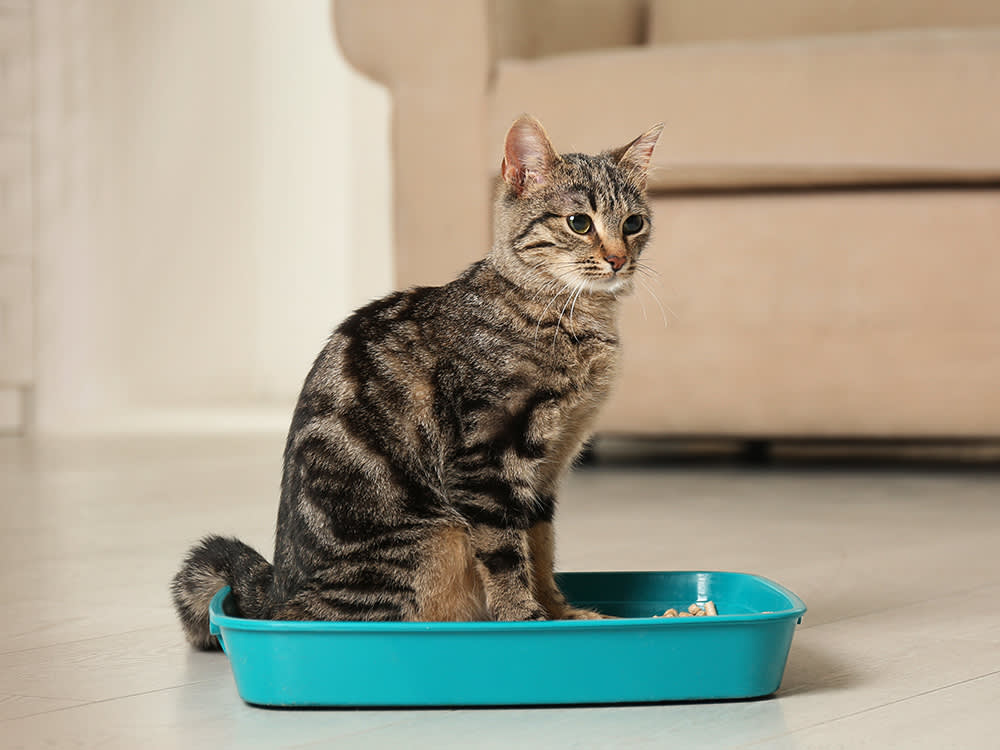
First, choose the right box. For a tiny kitten, a low-entry box is a must. They need to be able to climb in and out without a struggle. If the sides are too high, it might as well be Mount Everest.
Next, pick a litter. This is where it can get confusing. The simple advice? Start with an unscented, clumping litter. Kittens have sensitive noses, and strong perfumes can be a major turn-off. Clumping litter just makes your clean-up life much, much easier.
Finally, find the perfect spot. Place the box in a quiet, low-traffic area where your kitten feels safe and won’t be startled. But make sure it’s also easily accessible. Not in a dark, scary basement corner, and definitely not right next to their food and water bowls. Would you want to eat in your bathroom?
The “Welcome to Your New Bathroom” Tour
Okay, the stage is set. Now for the main event: the introduction.
As soon as you bring your kitten home, gently place them in the clean litter box. Let them stand in it and get a feel for the texture under their paws. You don’t need to make a big show of it. Just a simple, “This is your box,” moment.
Watch for their cues. Kittens often need to go shortly after waking up, after a big play session, or after they eat. When you see them start to sniff around, crouch, or look like they’re searching for a spot, that’s your signal. Calmly pick them up and place them in the litter box.
If they hop right out, don’t force them to stay. Just try again next time. The goal is to create a positive association, not a stressful one.
The Golden Rule: Keep it SPOTLESS
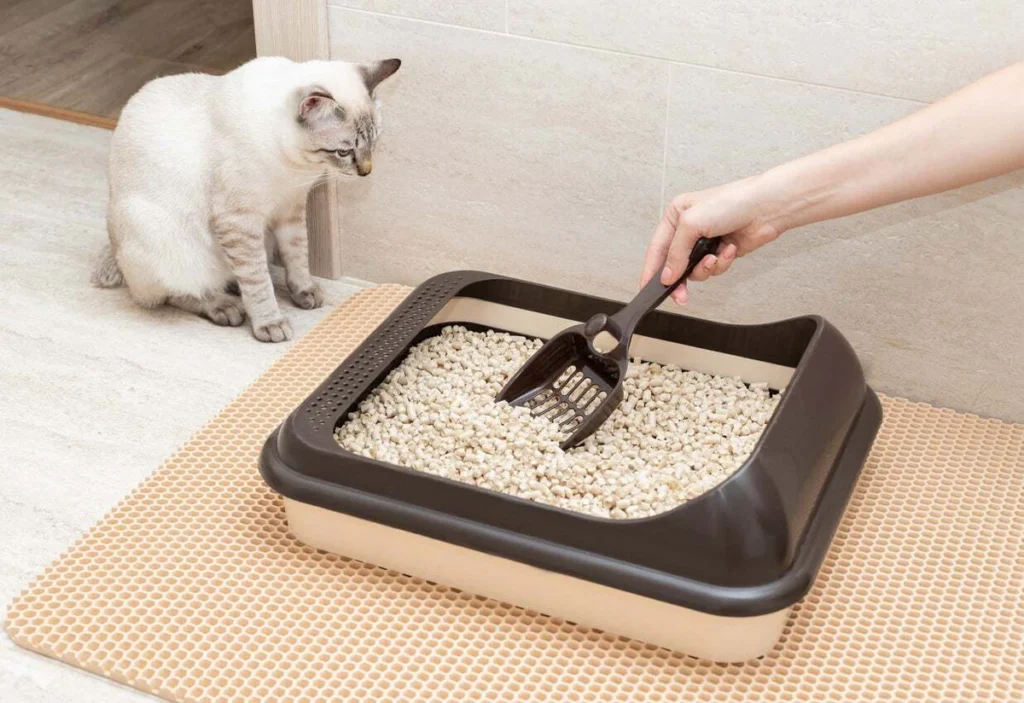
This is, without a doubt, the most important part of the whole process. Cats are incredibly clean creatures. A dirty litter box is the number one reason they decide to find a new bathroom, like your favorite rug or a pile of clean laundry.
Scoop the box at least once, ideally twice, a day. It only takes a minute, and it makes all the difference. Think of it like flushing the toilet for them. Once a week, do a deep clean: empty all the litter, wash the box with mild soap and water, and refill it with fresh litter.
What to Do (and Not Do) If Things Go Wrong
Uh-oh. You found a little puddle outside the box. Don’t panic, and whatever you do, don’t yell or rub their nose in it. They won’t understand, and it will only make them scared of you.
First, clean the accident thoroughly with an enzyme-based cleaner. Regular household cleaners won’t remove the scent, and if they can still smell it, they’ll think it’s an acceptable spot to go again.
Then, play detective. Was the box dirty? Was the kitten startled? Is there a new pet in the house causing stress? Often, an accident is just their way of telling you something is wrong with the setup.
You’ve Got This!
Before you know it, your kitten will be trotting off to their litter box all on their own. It’s a skill that comes naturally to them, and with your gentle guidance and a clean bathroom, they’ll be a litter box pro in no time.
Just remember a little patience, a lot of scooping, and soon this will be just another part of your wonderful life with your new best friend. Happy training!